


Key Takeaways
1. DIY solar installation requires basic electrical knowledge, roofing skills, and system design understanding. Experience with wiring, tools, and safety practices is essential; advanced systems may require a licensed electrician.
2. Installing solar panels yourself in the U.S. can save roughly 10%–30% compared to professional installation. Most savings come from avoiding labor costs, which typically range from $0.50 to $1.50 per watt.
3. Installation time varies from 1–3 days for small systems to 1–2 weeks for larger setups. Timeline depends on system size, roof complexity, and your experience level.
4. Permits are required in most U.S. areas before installing solar panels. This usually includes building permits, electrical permits, and utility approval for grid connection (interconnection agreement).
Can I Install Solar Panels Myself?
Yes—you can install solar panels yourself if you have the right skills, tools, and understanding of how solar systems work. Many DIYers successfully build their own systems, especially for off-grid setups.
To install solar panels on your own, you should have:
- Basic electrical knowledge (DC/AC wiring, safety practices)
- System sizing skills (matching panels, batteries, and inverters to your energy needs)
- Hands-on experience with tools and mounting (roof work or ground installation)
- Understanding of local codes and safety standards
DIY installation is most practical for small or off-grid systems such as RVs, cabins, or sheds, where permitting and grid connection are not required.
However, DIY solar installation comes with risks:
- Electrical hazards if wiring is done incorrectly
- Roof damage or leaks from improper mounting
- Code violations or permit issues for grid-tied systems
- Reduced system performance due to poor design or setup
For full home systems connected to the grid, working with a professional installer is often the safer and more reliable option. They handle permits, inspections, and system optimization, helping you avoid costly mistakes.

In short: DIY solar is achievable with the right skills—especially for smaller systems—but for complex or grid-tied installations, professional support is strongly recommended.
DIY Solar Panel Installation Cost
The solar panel cost is one of the biggest considerations when planning a DIY installation. The main advantage of going DIY is clear: you avoid labor costs, which can add $10,000–$30,000 for a typical residential system in the U.S.
For a standard 6kW system, typical equipment costs are:
- Solar panels: $6,000–$12,000
- Inverter, racking, wiring, BOS components: $3,000–$6,000
- Optional battery storage (off-grid/hybrid): $2,000–$5,000+
Total DIY system cost: $12,000–$23,000 (before incentives). This is typically 40–60% cheaper than hiring a contractor.
Step 1: Estimate Your System Size
Before budgeting, you need to estimate how much power your system should generate.
Simple formula:
Daily Energy Use (Wh) ÷ Peak Sun Hours = Required Solar Watts
Example:
- Daily usage: 30 kWh (30,000 Wh)
- Peak sun hours: 5 hours/day
30,000 ÷ 5 = 6,000W (6kW system)
Then estimate panel count:
Number of Panels = System Watts ÷ Panel Wattage
Example: 6,000W ÷ 400W panels = 15 panels
Step 2: Choose Panel Type Based on Budget
- Budget panels: ~$0.70–$1.00/W (lower efficiency, higher quantity needed)
- Mid-range panels: ~$1.00–$1.50/W (balanced cost and performance)
- Premium panels: ~$1.50–$2.50/W (higher efficiency, fewer panels, better durability)
Higher-efficiency panels cost more upfront but reduce roof space requirements and installation complexity.
Step 3: Don’t Forget “Hidden” System Costs
DIY systems require more than just panels. Key components include:
- Mounting racks and roof attachments
- Charge controller (MPPT/PWM)
- Inverter (grid-tied or off-grid)
- Wiring, connectors, breakers, fuses
- Monitoring system (optional but recommended)
These “balance of system” parts typically account for 30–50% of total cost.
Step 4: Tools & Installation Kit Costs
DIY installation also requires tools. Costs vary depending on what you already own:
- Essential tools ($200–$500): drill, wrench set, wire cutters, MC4 crimping tool, multimeter
- Advanced tools ($500–$1,500): ladder/scaffolding, torque wrench, conduit bender, safety gear
Buying higher-quality tools can make installation faster and safer, especially for roof work.
Step 5: What If You Hired a Pro?
For comparison, a professionally installed 6kW system typically costs:
$20,000–$40,000 total (before incentives)
This includes labor, permitting, design, and warranty support. While DIY saves money, professional installation reduces risk and complexity.
Is DIY Solar Worth It?
DIY solar can significantly reduce upfront costs and shorten your payback period to around 7–12 years, depending on electricity rates and incentives. However, it requires careful planning, accurate sizing, and attention to safety.
If done correctly, it’s one of the most cost-effective ways to achieve long-term energy savings and independence.
Pros and Cons of Do It Yourself Solar Panel Installation
Installing solar panels yourself can save money, but it also comes with real responsibilities. Here are the most practical pros and cons to consider:
Pros of self install solar panels
- Lower cost: Save roughly 40–60% by avoiding labor fees.
- Full control: Choose your own components and system design.
- Good for small/off-grid setups: RVs, cabins, and sheds are much easier to DIY.
- Learning value: You understand how your system works, making troubleshooting easier later.
Cons of self install solar panels
- Safety risks: Electrical work and roof installation can be dangerous if done incorrectly.
- Permits & codes: You must handle permits and ensure compliance with local regulations.
- Time & complexity: Planning, wiring, and installation can take days or weeks depending on experience.
- No professional support: Mistakes, repairs, and maintenance are entirely your responsibility.
- Potential hidden costs: Tools, extra parts, or fixing errors can reduce your expected savings.
Bottom line: DIY solar is worth it if you have basic electrical skills and want to save money. For larger, grid-tied systems—or if you’re unsure—working with a professional installer is usually the safer choice.

How to Find the Best Solar Panel
Choosing the right solar panel is key to a successful DIY setup. You don’t need to overcomplicate it—focus on a few core factors to make a smart decision.
Solar Panel Type
For most DIY home systems, monocrystalline panels are the best choice. They offer higher efficiency and require less roof space than other types, making them ideal for residential use.
Efficiency
Efficiency determines how much sunlight a panel can convert into electricity. Higher efficiency means more power from the same space. For DIY projects, look for panels in the 18–22% range or higher.
Warranty
Warranty reflects long-term reliability. Renogy offers a 5-year product warranty, and its rigid panels are designed to maintain up to 80% of their output after 25 years, ensuring stable performance over time.
In short, prioritize efficient monocrystalline panels with solid warranty support. This combination ensures better performance, durability, and long-term value for your DIY solar system.
A Faster Alternative: All-in-One Solar Kits
If you want to avoid the complexity of sourcing and assembling components yourself, an all-in-one solar kit is a much easier path. Instead of dealing with compatibility issues, wiring confusion, and missing parts, a complete solution gives you everything you need in one package.
Renogy offers flexible system sizes to match different energy needs, including 1.28kWh, 2.56kWh, 3.84kWh, 5.12kWh, and 7.68kWh configurations. Whether you're powering an RV or a home setup, you can choose a system that fits your usage.
For mobile setups, the RV solar solution includes a complete kit with all required components, making it ideal for plug-and-play style installation. For residential or small off-grid living, the home solar solution provides scalable options tailored to fixed installations.
Compared to DIY builds, these systems are designed to remove the most common pain points—saving time, reducing risk, and making solar accessible even for beginners.
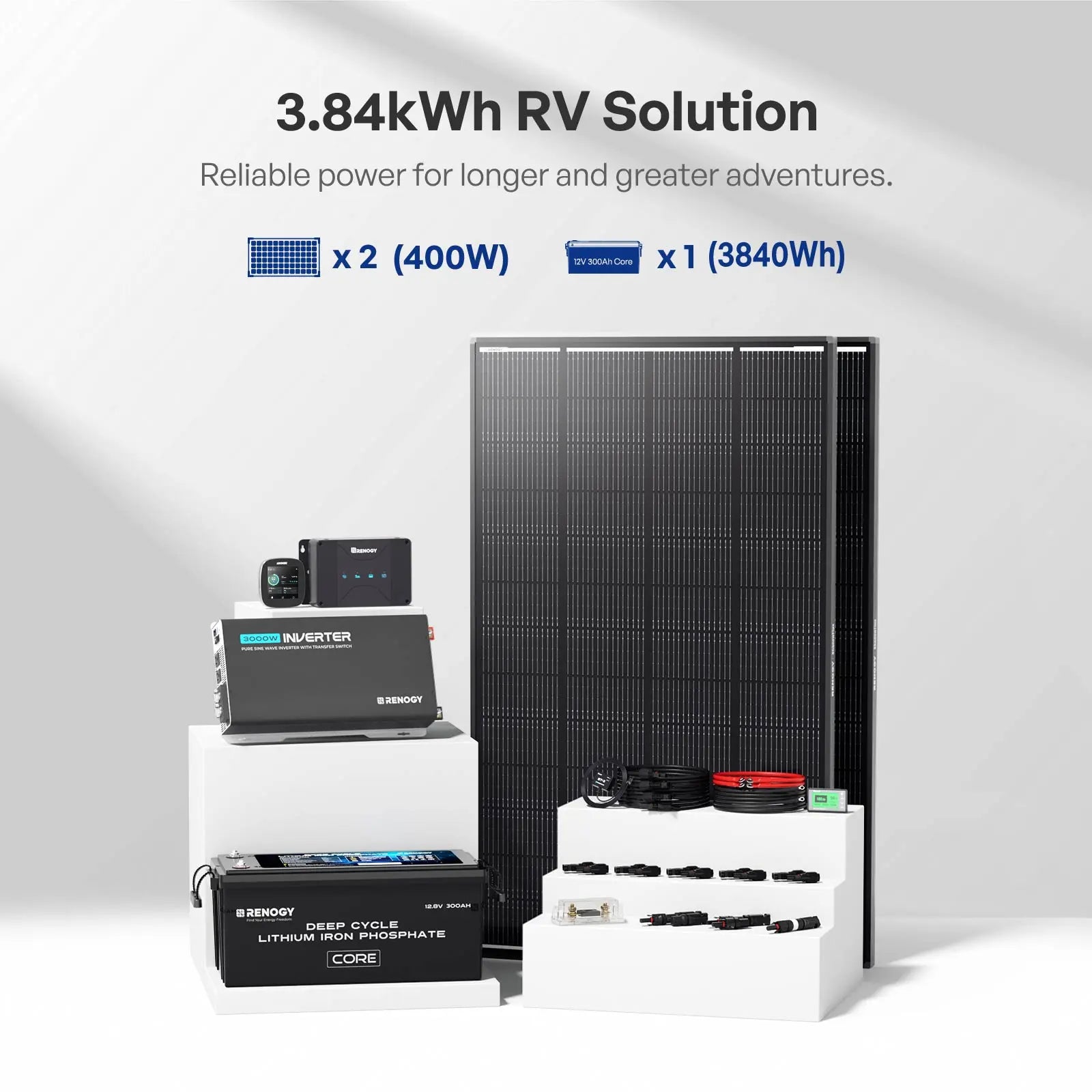
- Complete system in one kit (no missing parts)
- Detailed wiring diagrams and step-by-step guides
- Pre-matched components with full compatibility
- Bluetooth monitoring with mobile app control
- Flexible configurations for RV and home use
- Reliable warranty and after-sales support
Maintenance DIY Solar Panel System
A key consideration for DIY solar is that manufacturer warranties typically don't cover homeowner installations. You're solely responsible for all maintenance and repairs of your system. Proper upkeep is crucial, including regularly cleaning panels, monitoring for shading issues, inspecting wiring/connections, maintaining inverters per specifications, and caring for batteries in off-grid setups. Environmental protection like securing panels for severe weather is also important. While more hands-on work, consistently maintaining your DIY solar installation ensures safe, efficient operation and maximizes your energy savings over the system's multi-decade lifespan. Neglecting maintenance risks downtime and reduced performance.
Conclusion
while installing DIY solar panels can be a cost-effective and rewarding project, it requires careful planning, technical skills, and adherence to safety regulations. By doing thorough research and following detailed guides, homeowners can potentially save on installation costs and gain hands-on experience. However, for those lacking electrical knowledge or the necessary tools, hiring a professional might be the safer and more efficient option. Ultimately, the decision to install DIY solar panels should balance personal capability, safety considerations, and long-term energy goals. For those considering DIY solar panels, Renogy offers reliable and user-friendly solar kits that are perfect for beginners and seasoned installers alike.
FAQs about diy solar panels
How many solar panels do I need to run a house?
How many solar panels do i need? The number of solar panels needed to run a house depends on your energy consumption, sunlight availability, and panel efficiency. Typically, a home requires about 20-30 solar panels to meet an average monthly energy usage of 900 kWh. Factors such as geographic location and roof space will also influence the total number of panels needed.
Is it cheaper to build your own solar panels?
Building your own solar panels can reduce initial costs, but it requires substantial technical skills and time. DIY panels may not be as efficient or durable as commercial ones, potentially leading to higher long-term expenses and maintenance issues. Purchasing quality panels from reputable manufacturers is generally more cost-effective and reliable over the system's lifespan.
Can I install solar panels myself in the U.S.?
Yes, you can install solar panels yourself. However, grid-tied systems require permits, inspections, and utility approval.
Do I need a permit to install solar panels myself?
In most cases, yes. Residential systems require building and electrical permits from your local authority.
How much can I save with DIY solar panels?
DIY installation can reduce total system cost by 40–60% by avoiding labor fees.
Is DIY solar installation safe?
It can be safe if done correctly, but improper wiring or installation can cause electrical hazards or roof damage.
How long does it take to install solar panels yourself?
Small systems may take 1–3 days. Larger home systems can take 1–3 weeks depending on experience.
What size solar system do I need?
It depends on your daily energy use. Use the formula: Daily Wh ÷ Peak Sun Hours = Required Watts.
How many solar panels do I need?
Divide total system size by panel wattage. Example: 6kW ÷ 400W panels = 15 panels.
What tools are needed for DIY solar installation?
Basic tools include a drill, wrench set, wire cutters, MC4 crimper, and multimeter.
Are solar kits better than buying parts separately?
For most users, yes. Solar kits simplify installation and ensure all components are compatible.
Can I install solar panels without a battery?
Yes for grid-tied systems. Off-grid systems require batteries for energy storage.
What is the lifespan of solar panels?
Most solar panels last 25+ years with gradual efficiency decline over time.
Do solar panels work during cloudy days?
Yes, but output is reduced. Batteries help store energy for low-sun conditions.
What is the average cost of a DIY solar system?
Typically $12,000–$23,000 for a 6kW system before incentives.
Is it cheaper to install solar panels yourself?
Yes, DIY is cheaper upfront, but requires time, skills, and handling permits yourself.
Can beginners install solar panels?
Yes, especially with solar kits. Basic electrical knowledge and careful planning are required.

![Selecting the Best Trolling Motor Battery [Type & Size]](http://www.renogy.com/cdn/shop/articles/cover-best-battery-for-trolling-motor-1_7ce4605f-7480-4814-8ae1-6d5f86bc3497.jpg?v=1777455133&width=460)


