


E.Flex 100/200W N-Type Portable Solar Panel


100W - $113.99
Key Features
- 25% efficiency with durable Grade A solar cells
- Lightweight and foldable, easy to carry and store
- Multiple output ports to charge various devices
- IP65 splash-proof and dust-resistant for outdoor reliability
- Stable & adjustable kickstands for peak power
200W
- Dimensions (Folded): 25.0 × 21.1 × 2.2 in / 635 × 536 × 55 mm
- Dimensions (Unfolded): 94.1 × 21.1 × 0.2 in / 2390 × 536 × 4 mm
- Weight: 17.6 lbs / 8.0 kg
100W
- Dimensions (Folded): 24.3 × 21.1 × 1.8 in / 616 × 536 × 45 mm
- Dimensions (Unfolded): 48.5 x 21.1 x 0.1 in / 1233 x 536 x 3mm
- Weight: 9.5 lbs / 4.3 kg
E.Flex 100/200W N-Type Portable Solar Panel - 🔥200W is backordered and will ship as soon as it is back in stock.


E.Flex 100/200W N-Type Portable Solar Panel

Plug-and-Play Solar for Every Adventure

Grab, Go, and Set Up Anywhere
Easy to store when not in use, and with the smooth integrated carry handle, it gives you a comfortable, hassle-free carrying experience.

Power Right Out of the Box
The foldable and portable design makes it super easy to set up. Just unfold and done. Truly ready-to-use for camping.

N-Type Solar Cells for Higher Efficiency


Expandable System for Greater Challenges
Connect multiple E.Flex panels to double your power and conquer more scenario.

Genuine Praise from Real Users


Package Include
-
E.FLEX 200W Portable Solar Panel
x1
Specs
200W Portable Solar Panels
Frequently Asked Questions
What can this panel charge?
What can this panel charge?
The Eflex solar panel can charge most batteries (charge controller needed) and power stations. However, please ensure that the open circuit voltage of the panel does not exceed the max DC input voltage rating of the powerstation or charge controller
Why is my solar panel under producing?
Why is my solar panel under producing?
Several factors may be impacting the performance of your solar panel. Typically, indirect sunlight, temperature rise, cloudy sky, and dirt and stain build up on the top glass lead to a reduced power output.
How should I connect solar panels in my electrical circuit (series vs parallel)?
How should I connect solar panels in my electrical circuit (series vs parallel)?
Depending on your electrical circuit size and power demand, solar panels can be connected in series or in parallel. When you connect them in series, the system current output will be the same as that of a singular panel, while producing the effect of adding up their operating voltage output. On the other hand, the operating current output of individual panels is added up to be the system output current when they are connected in parallel. In this case, the system output voltage will be the same as the output voltage of one solar panel. To meet the optimum power output and system rating for your power system, you can use both parallel and series connections.
How many solar panels do I need?
How many solar panels do I need?
To figure out how many solar panels you need, you must define the required power load. Power is measured in Watt, and capacity is commonly measured in Watt-hours (multiply power output in watts by the required number of hours of operation multiplied by a safety factor of 1.5-2). As such, first figure out your battery bank based on the minimum required capacity, and then decide how many panels or how much power input is needed.
Downloads
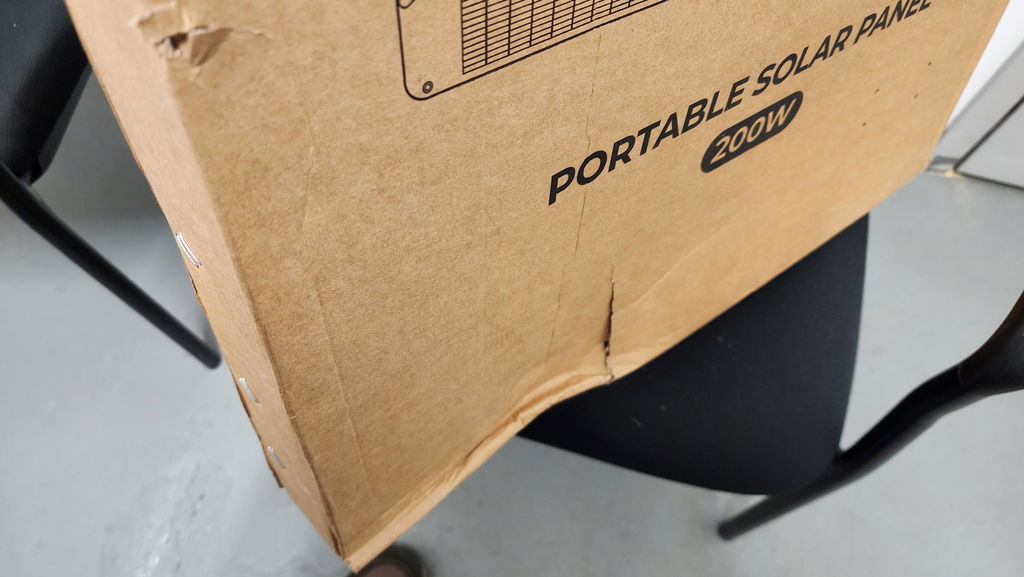
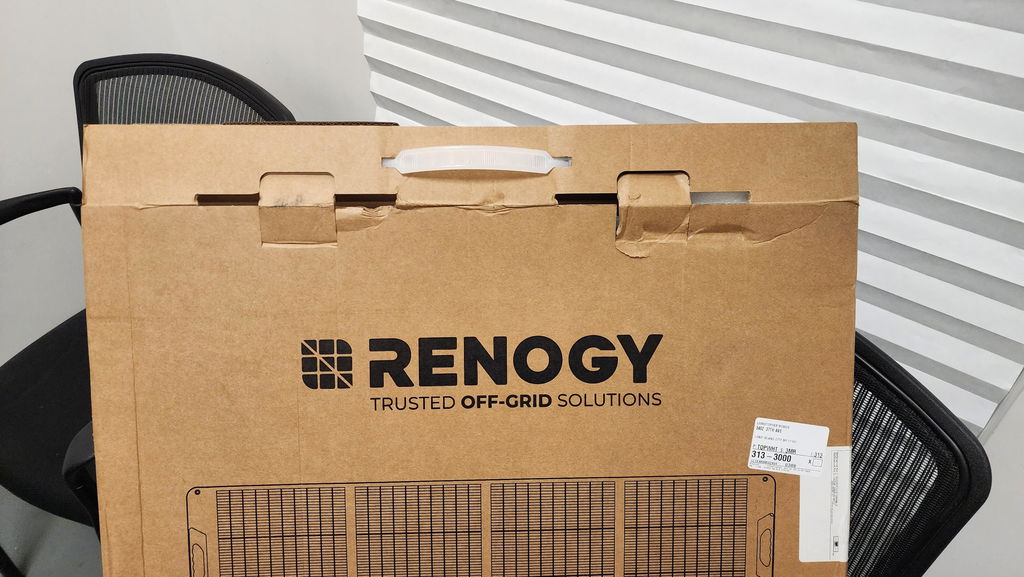
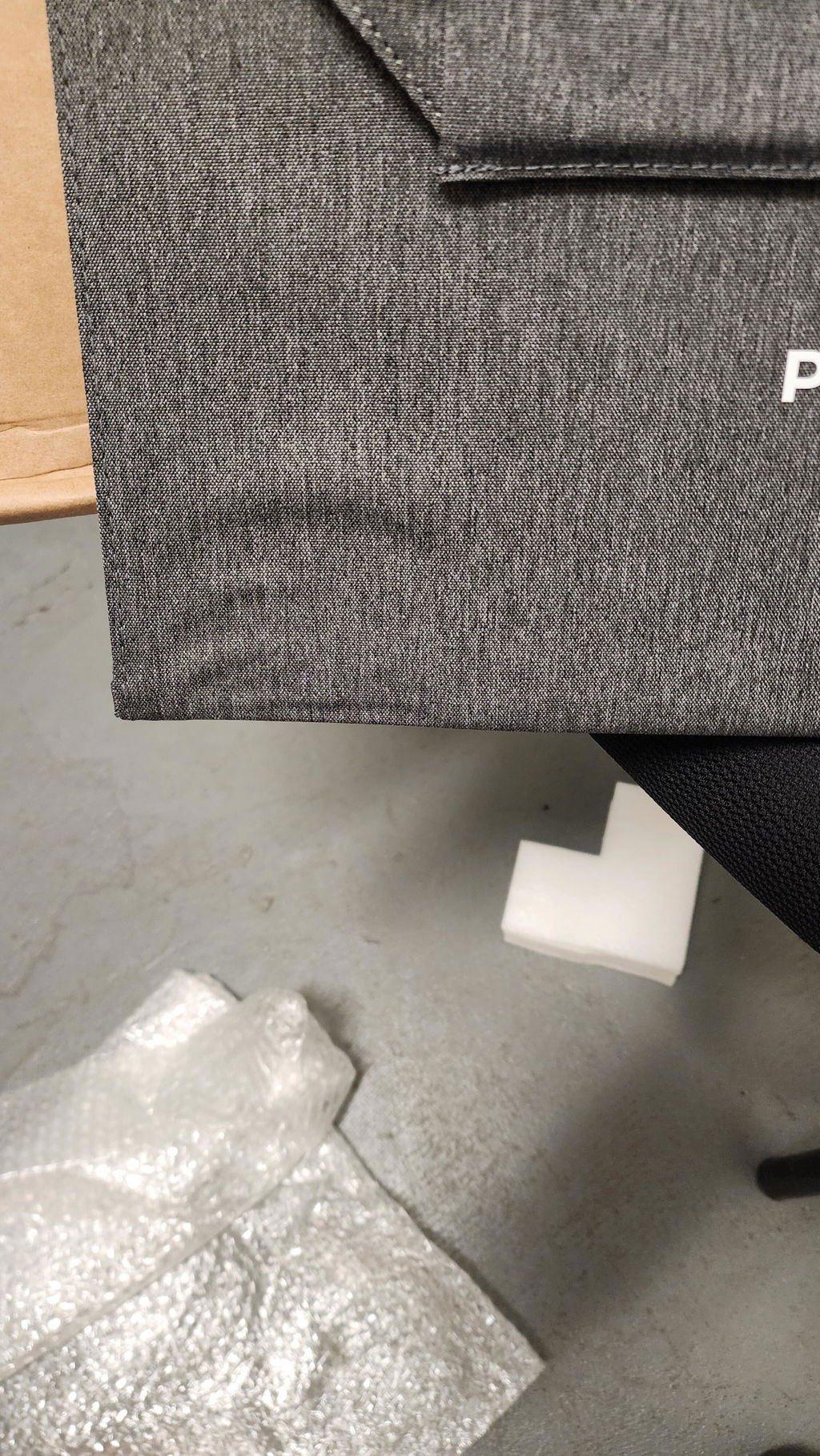
I am very happy to have this 200W panel. I have not had a chance to test it for funtionality with my power bank yet. My concern is that the box was delivered with significant crush/punture damage on one corner and was also wide open on the top so I am uncertain what accessories, instructions or warranties should have also delivered with the unit or if they fell out. Additiobally the panel exterior near the box damage shows some pressure disturbance to the fabric covering. This is obviously the shippers fault but thought I should let you know. I have submitted a case for review.
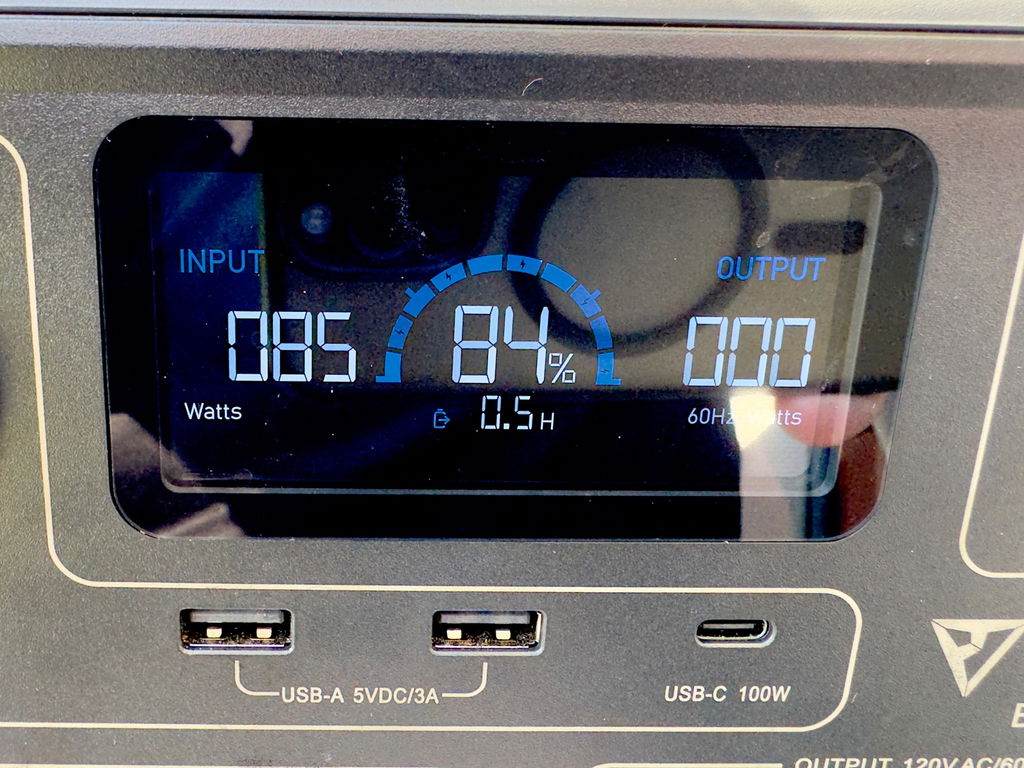
Received my 100w panel this afternoon and decided to test it out in the backyard real quick before an upcoming camping trip. Set it down and eyeballed the alignment. Plugged into my Bluetti and got 85 watts. Found that to be pretty impressive for not even trying to get perfect alignment. Overall pretty happy.
These panels are great! I have four of them to continuously power two separate 1000W power stations. The newest models are lighter, and the addition of an eyelet on the feet allows tent-staking so they don't blow over in a strong wind. They take seconds to set up, and little time to reposition. The only change I can think of is switching from hook-and-loop pads to magnets to allow for easier deployment of the feet.
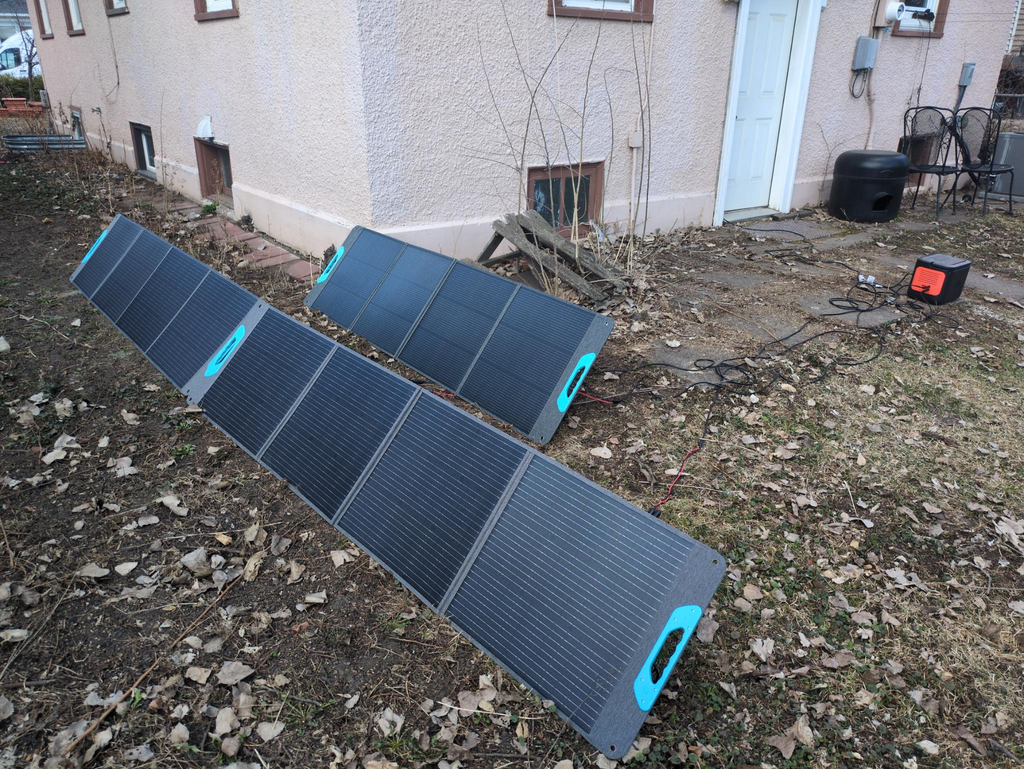
Fast shipping and a great price. Solid panels
Used up camping, charged Batteries well easy to set up , like the lightness of them and their size when folded up. Happy with purchase.
work as expected.
Not used until next year camping season but can hardly wait. Wonderful durable quality
These panels are good. They just need longer cables installed on them. I wish you could actually get closer to the 200 watts of output on a normal day. Even an excellent day really only produces about 150 watts. I am a little worried about the legs holding up well
I've only used it once. Worked fine, all connections are great. I had to purchase a (cheap) adapter for my Anker Solex solar generator storage unit, but it all worked. I saw 160 W out of the 200 W panel system, so it was working well.
This is a 200W panel. The panel has 4 sub-panels, which I assume are approximately 50W each. After setting up the entire 200W panel at solar noon, facing south with no shade and after 10-15 minutes of sun exposure the panel output will range from low 30W to 70W range. If I completely cover 2 of the sub panels momentarily then remove the covering the wattage will then range 150-170W. Strange. Thus, the 2 star rating.
Great panels to charge my Bluetti and RV battery.
I like the ability to hold it down in the wind with the additional of ground connection holes. I like the 153 watts of solar output i get in full sun. The easy of setup and moving is great!
Very nice quality. Seems to bend with not heat that isn't severe. Should be shipped with plug adapters.
Still early in testing it out, but I'm quite satisfied so far!
I'm getting decent wattage from the panel when it's bright sun light, as expected. The leg supports are really flimsy though, so it falls down a lot. I wish there was a third leg in the middle and they legs were a bit more robust.
Very easy to set up and seem to work well.
Performance great and ease of setup are ok so far. The back supports are concerning. Seem a bit flimsy and question their durability. They struggle to hold the panel assembly at a uniform angle. Especially if a stiff wind.
Clumsy to get them unfolded and set for one person.
Customer service was sorely lacking in pirchase assistance with this noob.
So far Im liking it. On a partly cloudy day I was able to get a solid 50-60 watts when direct sun hit it. Its almost Spring time so temperature is still cool/cold on the panel.
Fantastic well built solar panel!
Worked perfectly when connected to our Biolite power bank
I have not used them yet but looking forward to it.
Perfect addition to the solar system on my RV. Trees no longer are a bother.

