

How much does RV solar cost? Whether you're considering a basic system for charging devices or a comprehensive setup to run your AC, understanding RV solar prices is crucial. This guide breaks down the costs of RV solar installations, from affordable options to high-end systems, helping you make an informed decision without the technical jargon.
Key components of an RV solar setup
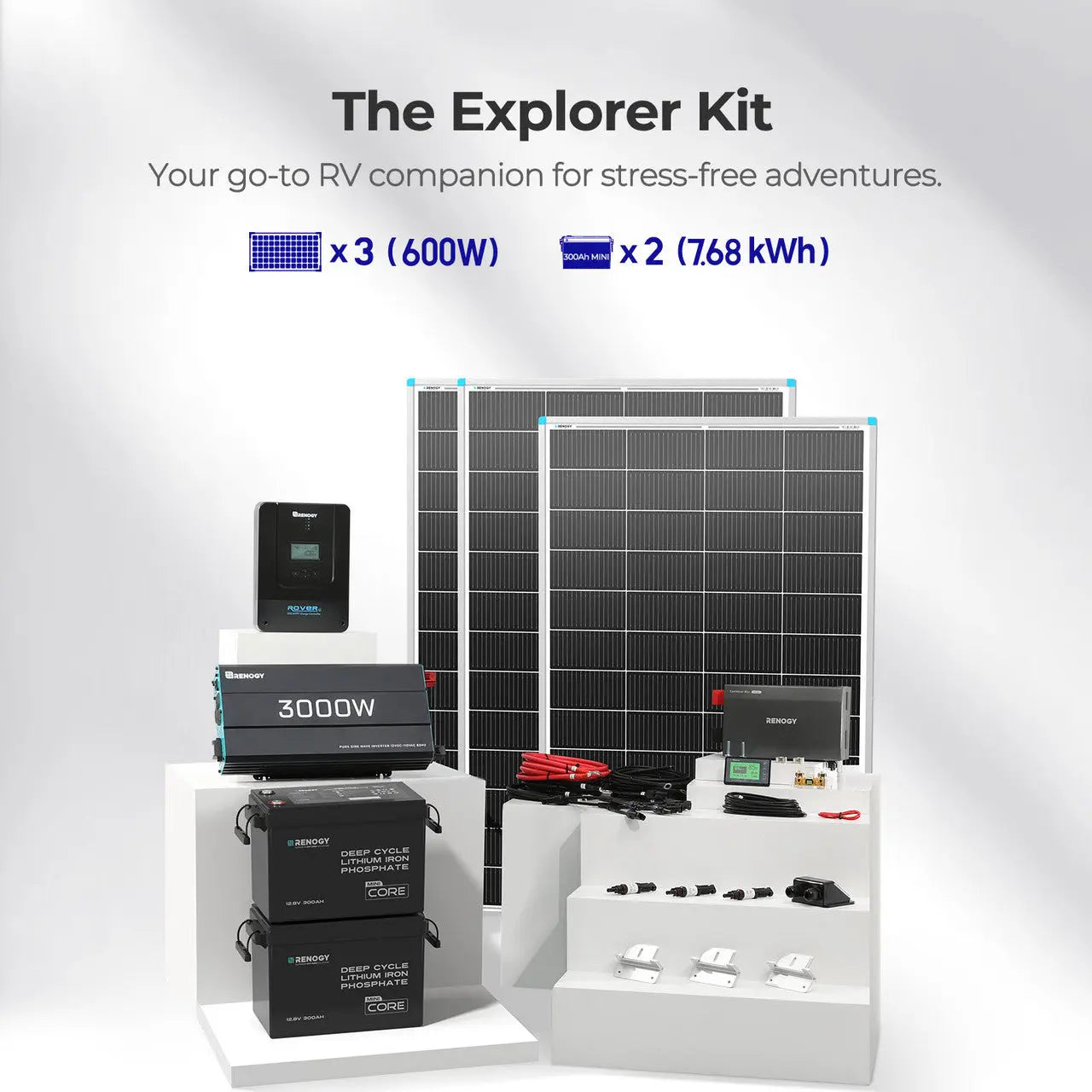
A typical RV solar kit is made up of several key components that work together to capture and store solar energy:
- Solar Panels: These capture sunlight and convert it into electricity. The more panels you have, the more power your system can generate.
- Charge Controller: This regulates the voltage coming from the solar panels to prevent overcharging and damage to your battery.
- Battery Bank: Solar power is stored in your batteries so you can use electricity even when the sun isn’t shining. The size of your battery bank will determine how long you can go without charging.
- Inverter: This device converts DC power stored in the batteries to AC power, which is what most RV appliances and devices use.
Each of these components plays a critical role in ensuring your system operates efficiently and delivers the power you need for your RV.

Factors affecting RV solar system costs
When it comes to RV solar panel installation cost, the overall cost can vary widely based on several factors. Below, we'll explore the key factors affecting RV solar costs and help you see where you can save or splurge.
1. System Size and Power Output
The size of your RV solar system is one of the biggest cost determinants. Solar systems are typically measured in watts, which reflect how much energy they can produce. The more energy you need, the larger your system needs to be, and the higher the cost.
| System Size | Typical Appliances | Kit Cost (Parts Only) | Installed Cost (Low Labor States) | Installed Cost (High Labor States) |
|---|---|---|---|---|
| Small (100–300W) | Phone/tablet chargers, lights, fans | $250–$600 | $400–$900 | $600–$1,200 |
| Medium (400–800W) | Fridge, small microwave, TV, extra lights | $900–$1,800 | $1,200–$2,500 | $1,800–$3,400 |
| Large (800–1500W+) | AC unit, multiple appliances | $2,000–$3,800 | $2,800–$5,000 | $3,800–$6,500 |
Note: Labor and permitting costs vary significantly by state. Roof type and RV complexity affect installation time, while battery capacity and panel count are the main drivers of system cost. Additional features such as monitoring apps, parallel wiring, or rapid disconnects may also increase the overall expense.
As you scale up in size, both the number of solar panels and the total cost of the system increase. If you’re unsure about the size or capacity of the solar system you need for your RV, try using the Renogy RV Solar Calculator. It helps you accurately estimate your energy needs and find the right RV solar kit for your setup.
2. Quality of Components
Higher-quality components come with a higher price tag but offer better performance and durability. Premium solar panels, charge controllers, inverters, and batteries (like lithium-ion) may cost more upfront but save money in the long run by lasting longer and working more efficiently.
3. Installation Complexity
If you opt for professional installation, the complexity of the system affects labor costs. Systems requiring custom mounts, longer wiring runs, or intricate setups are more expensive to install. A DIY installation can save money, but it requires technical knowledge.

4. Brand Reputation
Well-known brands are generally more expensive but offer greater reliability, warranties, and customer service. Budget brands may cost less, but they might lack the durability and support of premium brands.
5. Additional Features and Accessories
Lastly, don't forget the additional costs that can add up quickly when building your RV solar system. These include:
- Mounting hardware and brackets: These are necessary to secure the solar panels to your RV's roof, with costs varying based on the type of mounts you need.
- Wiring and connectors: The quality and length of wiring can add to the overall price.
- Monitoring equipment: Systems to track your solar energy production and consumption may be optional but can help optimize performance and prevent damage to your system.
Costs of RV Solar Systems
The cost of installing an RV solar system typically ranges from $500 to $10,000, depending on factors like system size, installation method, and component quality. Knowing the average costs can help you budget and decide whether to take on the project yourself or hire a professional.
1. DIY RV Solar System Costs
For those who enjoy hands-on projects, a DIY solar system for your RV can cost between $500 and $2,500. The main advantage of a DIY approach is the cost savings on labor, making it a more budget-friendly option. However, it requires a solid understanding of electrical systems and can be time-consuming. Mistakes in installation can lead to reduced efficiency or potential damage to your RV's electrical setup, so it's important to be confident in your skills.
Pros:
- Lower cost
- Flexibility in choosing components
Cons:
- Requires technical expertise
- Time-intensive
- Potential risks with incorrect installation
2. Professional Installation Costs
For a professionally installed RV solar system, the average cost ranges from $3,000 to $10,000. This includes not only the cost of the components but also expert labor to ensure the system is installed correctly and efficiently. While more expensive, hiring a professional minimizes the risk of installation errors and can lead to a more reliable, long-lasting system.
Pros:
- Expert installation
- Reduced risk of system issues
- Professional warranty and support
Cons:
Higher upfront costs
Additional Costs to Consider
| Category | Description | Estimated Cost |
|---|---|---|
| Maintenance & Repairs | Cleaning panels, replacing batteries or inverters periodically | $100–$500 / year |
| Upgrades & Expansions | Adding panels or higher-capacity batteries to increase system output | $500–$2,000 |
| Mounting Hardware & Wiring | Racks, brackets, wiring for connecting the system | $150–$800 |
Who should invest in solar for RV?
Just like there is no one-size-fits-all-approach to living in a motorhome, not every RV dweller needs the same solar setup.
| User Scenario | Recommended System | Why It Fits |
|---|---|---|
|
Weekend Warrior Short RV trips on weekends |
Renogy 200W 12V Solar RV Kit | Small system sufficient for lights, fans, phone chargers; cost-effective for occasional use |
|
Boondocker Extended off-grid camping without hookups |
Renogy 400W RV Solar Kit | Complete kit with panels, battery, inverter, charge controller; ideal for full off-grid use |
|
Full-Timer at Campgrounds RV living with hookups |
Renogy Portable Power Station Optional: 12V Solar Battery Charger |
Supports daily energy needs at parks; portable for backup power or small solar input |
|
Full-Time High Usage Extended off-grid with high energy demand |
ShadowFlux™ N-Type RV Solution 3.84kWh | Medium-capacity kit for off-grid RV living, all components included and pre-tested |
|
Full-Time Maximum Usage Extended off-grid with very high energy demand |
ShadowFlux™ RV Solution 7.68kWh | High-capacity all-in-one kit for heavy off-grid usage; includes all components and avoids cross-brand compatibility issues |
Note: Renogy RV Solar Kits are complete systems with all necessary components included, ensuring compatibility and eliminating the need to source parts from multiple brands.
Conclusion
Investing in RV solar power offers an exciting opportunity for off-grid freedom and sustainability. Understanding the costs - ranging from $500 to $10,000 based on system size and installation method - is crucial for making an informed choice. Whether you choose a DIY approach or professional installation, consider additional expenses like maintenance, upgrades, and mounting hardware. Renogy provides reliable, high-quality solar solutions that can enhance your RV experience and offer long-term savings. Embrace the benefits of RV solar and enjoy the road ahead with greater independence and efficiency.
![Selecting the Best Trolling Motor Battery [Type & Size]](http://www.renogy.com/cdn/shop/articles/cover-best-battery-for-trolling-motor-1_7ce4605f-7480-4814-8ae1-6d5f86bc3497.jpg?v=1777455133&width=460)


