


48V Lithium Backup Power System – 50Ah Self-Heating LiFePO4 Battery & 3500W Solar Inverter Charger


- 48V Lithium Backup Power System for Home & Off-Grid Systems
- Reliable Performance in Cold Weather with Self-Heating Battery
- High-Efficiency Pure Sine Wave Inverter with Built-In MPPT
- Powerful Output for High-Demand Loads
- Safe, Expandable, and Long-Lasting Energy System
❓Need help before buying? Call Us: 1 (909) 287 7111
48V Lithium Backup Power System – 50Ah Self-Heating LiFePO4 Battery & 3500W Solar Inverter Charger is backordered and will ship as soon as it is back in stock.


48V Lithium Backup Power System – 50Ah Self-Heating LiFePO4 Battery...
48V 50Ah Self-heating LiFePO4 Battery

48V 3500W Solar Inverter Charger

Effortless Setup & Compatibility for Renogy Solutions

Package Includes
-

48V 50Ah LiFePO4 Battery *1
-
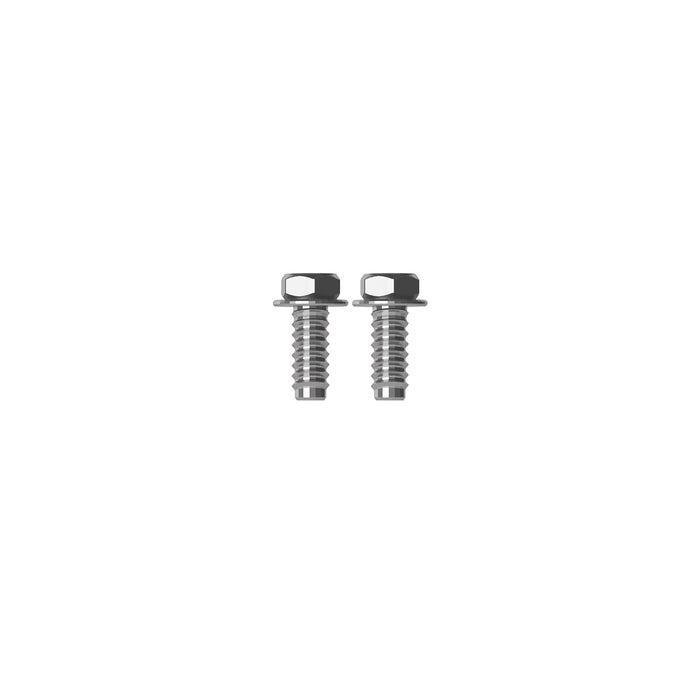
Long Terminal Bolts*2
-

Insulting Sleeve*2
-

48V 3500W Solar Inverter Charger*1
-

Inverter Remote Control*1
-

User Manual*2 (Battery & Inverter)


Specification
48V 50Ah Self-heating LiFePO4 Battery
48V 3500W Solar Inverter Charger
Frequently Asked Questions
FAQ - 48V 50Ah LiFePO4 Battery
1. What are the greatest advantages of Renogy 48V batteries?
1. What are the greatest advantages of Renogy 48V batteries?
Renogy 48V lithium batteries are equipped with the latest pouch cell technology, offering superior performance and safety. Unlike many competitors that use recycled battery cores, Renogy batteries are built for longevity and efficiency. These batteries also feature a self-heating function, an auto-balancing system, and an advanced Battery Management System (BMS). Additionally, Renogy 48V batteries undergo rigorous testing, including free drop tests, electromagnetic compatibility, forced overcharge/discharge tests, and crash tests, ensuring reliable and safe operation.
2. What exactly are pouch cells?
2. What exactly are pouch cells?
Pouch cells are lithium-ion battery cells housed in a lightweight aluminum-polymer film, as opposed to traditional hard metal casings. They offer a significant weight advantage while maintaining excellent cycle performance. When damaged, pouch cells allow gas and heat to escape safely through a sealing port, reducing the risk of violent reactions. In contrast, hard metal casings can explode under similar conditions, making pouch cells a safer and more efficient option.
3. What life improvements will I see if I upgrade from a 12V to a 48V system in my RV?
3. What life improvements will I see if I upgrade from a 12V to a 48V system in my RV?
Upgrading to a 48V system in your RV allows you to power high-energy appliances such as air conditioners, refrigerators, and ovens, greatly enhancing your off-grid living experience. A 48V system also enables the use of thinner, more cost-effective cables, reducing transmission losses and improving safety. This setup allows for more efficient energy usage and can handle higher power demands than a 12V system.
4. How long can a 48V lithium-ion battery be used for?
4. How long can a 48V lithium-ion battery be used for?
A 48V lithium-ion battery can withstand up to 4500 full charge-discharge cycles, maintaining around 80% of its original capacity after this period. If charged and discharged daily in an off-grid environment, the battery can last for more than ten years, making it a durable and long-lasting energy storage solution.
5. How many 48V lithium-ion batteries can be connected together at once?
5. How many 48V lithium-ion batteries can be connected together at once?
You can connect up to 8 Renogy 48V lithium-ion batteries in parallel. The built-in auto-balancing function ensures that connecting multiple batteries in parallel is safe and efficient, enhancing overall system stability.
6. What is the function of the switch button on a 48V lithium-ion battery?
6. What is the function of the switch button on a 48V lithium-ion battery?
The switch button allows for one-touch activation of the 48V lithium-ion battery and its BMS system. This feature enables easy power control, reducing wear and tear when the battery is not in use, enhancing storage safety, and extending the battery’s lifespan.
7. How should I handle the battery after it arrives?
7. How should I handle the battery after it arrives?
Upon receiving your 48V lithium battery, be aware that it may have a low State of Charge (SOC) due to shipping and storage. To ensure optimal performance, charge the battery immediately to prevent over-discharge. If storing the battery for an extended period, maintain a charge level between 30% and 50% and perform maintenance checks every three months to preserve its functionality.

